BE Civil
192 seats108 regular · 84 full fee
BE Electrical
96 seats36 regular · 60 full fee
BE Computer
96 seats36 regular · 60 full fee
B.Arch
48 seats24 regular · 24 full fee
BE Electronics
48 seats24 regular · 24 full fee
BE Mechanical
48 seats24 regular · 24 full fee
BE Aerospace
48 seats12 regular · 36 full fee
BE Chemical
48 seats12 regular · 36 full fee
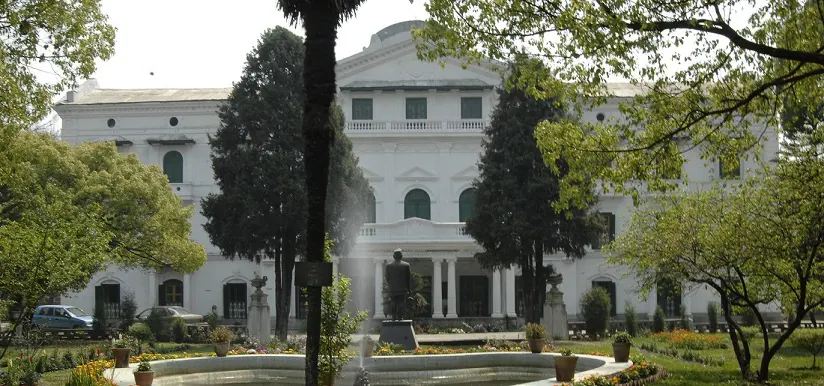
constituent campusEst. 2029 BS
@pcampus.edu.np · Pulchowk, Lalitpur
624 published seats8 programmes2029 BS established · Tribhuvan University
Nepal Engineering Council register, 24 Mangsir 2061 BS1 · University Grants Commission accreditation dated 6 March 2020 to 5 March 20253
- Constituent campusDegrees awarded by Tribhuvan University
- 8 bachelor programmes624 published places
- Established 2029 BS (1972 AD)
- Pulchowk, LalitpurLalitpur district
- On the Nepal Engineering Council registerSince 24 Mangsir 2061 BS
- pcampus.edu.np
Admission and entrance
Tribhuvan University's rule for the whole system: One centralised computer-based entrance examination run by the IOE Entrance Examination Board, admitting to every constituent campus and every affiliated college on a single merit list2. Its portal is entrance.ioe.edu.np.
Location and contact
- District
- Lalitpur1
- Address
- Pulchowk, Lalitpur1
- Website
- pcampus.edu.np5
Where this came from · 11 documents, newest read 6 September 2026
Further notes from the sources
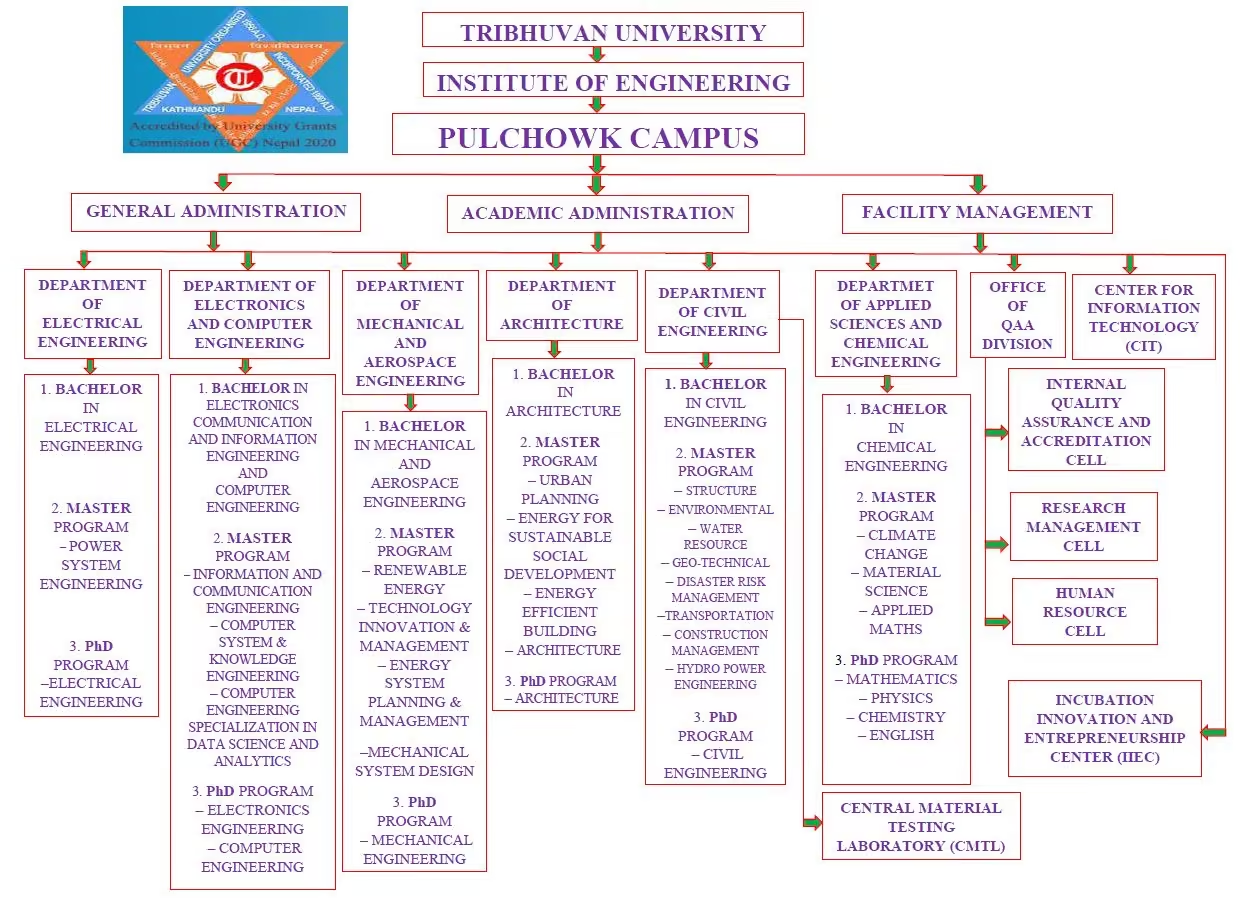
- Its own history page traces the campus to a technical school inaugurated on 2 March 1931 at Basantapur, and dates the Institute of Engineering itself to 1972, formed by merging the Nepal Engineering Institute with the Thapathali technical institute of 1962.4
- Bachelor teaching began with Civil Engineering in 1984. Electrical and Electronics followed in 1994, Mechanical and Architecture in 1995, Computer in 1998, Aerospace in 2018 and Chemical in 2019, each dated by the campus itself.4
- Its eight bachelor programmes include Aerospace Engineering, which no other institution in this record teaches, and Chemical Engineering, which only Kathmandu University's School of Engineering also teaches.5
- Master's teaching started here in 1996 with Urban Planning and Structural Engineering and doctoral study in 1997, and the campus lists more than twenty master's programmes opened since.4
- The University Grants Commission accredited it on 6 March 2020 on a term dated to run to 5 March 2025, the earliest expiry of the five Tribhuvan institutions on that register.3
- Its own bachelor page prints Electrical Engineering at 24 regular and 24 full-fee places where the entrance booklet prints 36 and 60, so the campus totals its eight programmes at 576 places and the booklet totals the same eight at 624.6
- The Department of Electronics and Computer Engineering states a current intake of 48 in Electronics and 48 in Computer, where the campus's own intake table and the entrance booklet both put Computer at 96.7
- Its bachelor admission page still links the entrance booklet for 2081, two admission cycles behind the 2083 booklet the intake figures on this page are read from.8
- The Department of Civil Engineering, the largest here by the campus's own description, dates its bachelor programme to 1978, where the campus history page dates the first bachelor teaching on this site to 1984.9
- Mechanical and Aerospace are one department here, traced by the campus to a certificate course in refrigeration and air conditioning begun in 1975 under an International Labour Organization project.10
Sources for the information on this page
Last checked by Imperial College of Engineering. Every figure on this page carries the document it came from and the date that document was read.